
Creating eye-catching window displays with printed materials involves combining visual impact with strategic messaging to attract customers and drive sales. Effective displays use high-quality printed materials, strong visual hierarchy, and compelling design elements that capture attention from both pedestrians and passing traffic. The key lies in choosing the right materials, avoiding common mistakes, and maintaining visual impact while considering sustainability.
What makes a window display truly eye-catching and effective?
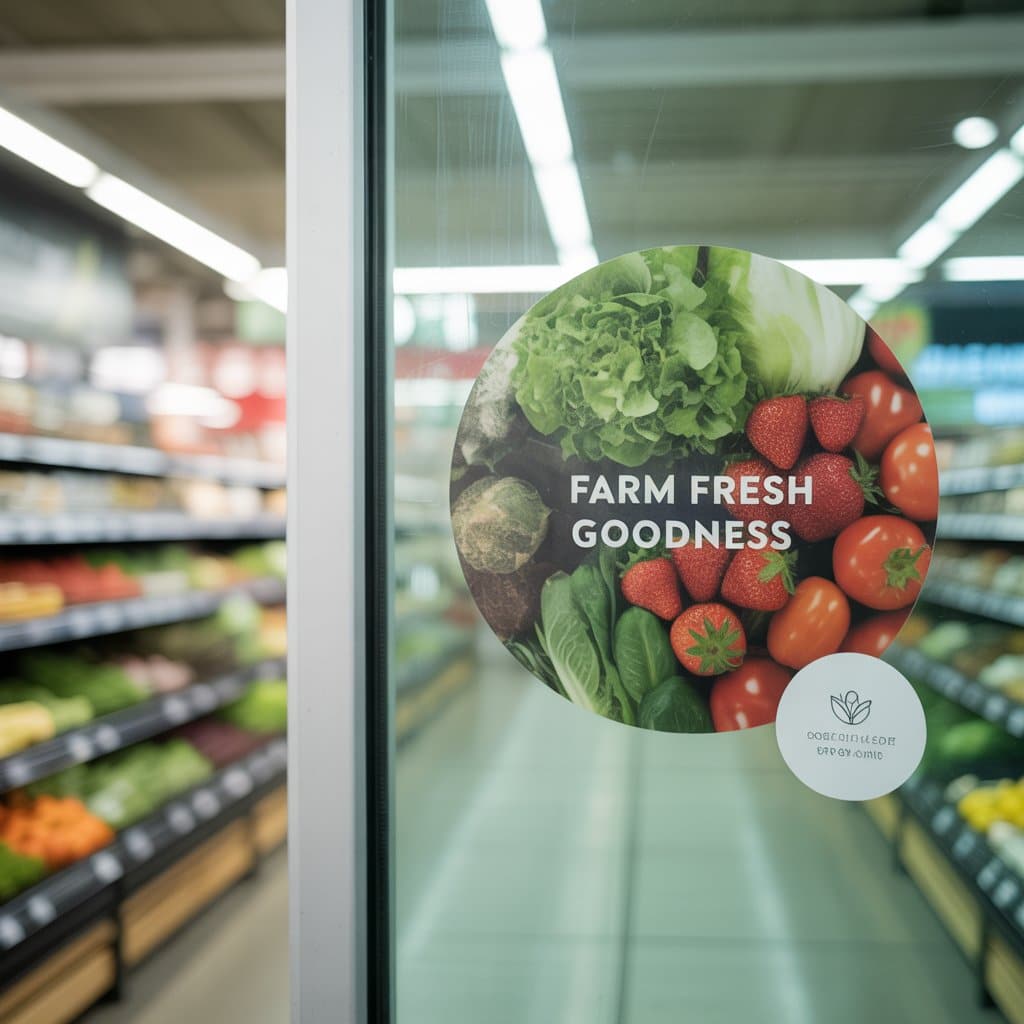
An effective window display combines bold visual elements with clear messaging and strategic product placement. The most impactful displays use contrasting colours, varied heights, and focal points that guide the viewer’s eye naturally through the display. Large-format printed materials serve as backdrops, while smaller point-of-sale materials provide detailed information.
Visual merchandising success depends on creating layers within your store windows. Start with a strong backdrop using printed banners or posters, then add dimensional elements and products at different heights. Lighting plays a crucial role in highlighting your printed materials and creating depth. The display should tell a story or convey a clear message that resonates with your target audience.
Consider the viewing angle from the street when positioning your printed materials. Most people view window displays from a slight angle rather than straight on, so arrange your marketing materials accordingly. Use bold typography that remains readable from at least three metres away, and ensure your brand colours are consistent across all printed elements.
How do you choose the right printed materials for different window display goals?
Different display goals require specific types of printed materials to achieve maximum impact. For brand awareness campaigns, use large-format posters and banners with bold graphics and minimal text. For product promotions, combine shelf talkers, price tags, and detailed product information cards. Seasonal displays benefit from themed graphics and temporary promotional materials.
Consider durability when selecting materials for your retail displays. Window-facing materials experience direct sunlight, temperature changes, and potential moisture. UV-resistant inks and weather-resistant substrates ensure your displays maintain their visual appeal throughout the campaign period. Laminated materials work well for longer-term displays, while uncoated options suit short-term promotions.
Size and placement determine material selection. Eye-level materials can include more detailed information, while higher-positioned elements should focus on bold graphics and simple messages. Use a mix of rigid and flexible materials to create visual interest. Foam boards work well for structured displays, while fabric banners add movement and softness to the overall composition.
What are the most common window display mistakes that hurt sales?
The most damaging mistake is overcrowding displays with too many printed materials and messages. This creates visual chaos that confuses viewers rather than attracting them. Another common error is using poor-quality printing that appears pixelated or washed out, which reflects poorly on your brand and products.
Inconsistent branding across different printed materials weakens your message and appears unprofessional. Ensure all elements use the same colour palette, fonts, and design style. Many retailers also make the mistake of neglecting regular updates, leaving faded or outdated materials in prime window space that suggest the business lacks attention to detail.
Poor lighting integration with printed materials significantly reduces display effectiveness. Materials positioned in shadows become invisible, while harsh lighting can create glare that makes text unreadable. Plan your lighting to complement your printed elements, using spotlights to highlight key messages and products while ensuring even illumination across the entire display.
How do you create sustainable window displays without compromising visual impact?
Sustainable displays focus on reusable materials and eco-friendly substrates without sacrificing visual appeal. Choose modular printed elements that can be reconfigured for different campaigns, and invest in high-quality materials that withstand multiple uses. This approach reduces waste while maintaining professional appearance standards.
Select printing materials made from recycled content or sustainable sources. Many modern eco-friendly options offer excellent print quality and durability. Consider the entire lifecycle of your display materials, from production through disposal, and choose options that align with environmental responsibility while delivering the visual impact your brand requires.
Design displays with longevity in mind by creating timeless base elements that can be updated with seasonal or promotional overlays. This reduces the need for complete display overhauls and minimises material waste. Use digital printing techniques that require fewer chemicals and generate less waste than traditional printing methods.
For maximum flexibility and sustainability in your window displays, consider innovative solutions like STATIC materials that utilise static-charge connections without adhesives, allowing unlimited repositioning and reuse. For completely plastic-free displays, PAPTIC offers wood-fibre innovation that delivers stunning visual impact while maintaining full environmental responsibility. These advanced materials enable creative, eye-catching displays that align with modern sustainability expectations without compromising on visual effectiveness.