
Retailers can minimize waste during frequent campaigns by adopting reusable display materials that don’t require adhesives. Glue-free materials can be applied and removed multiple times without damage to surfaces or leaving residue. Implementing modular design approaches allows for updating only specific elements rather than entire displays. Training staff on proper material handling and establishing efficient recycling systems can further reduce waste. Extending campaign planning cycles also helps minimize environmental impact.
Understanding the waste challenge in retail campaigns
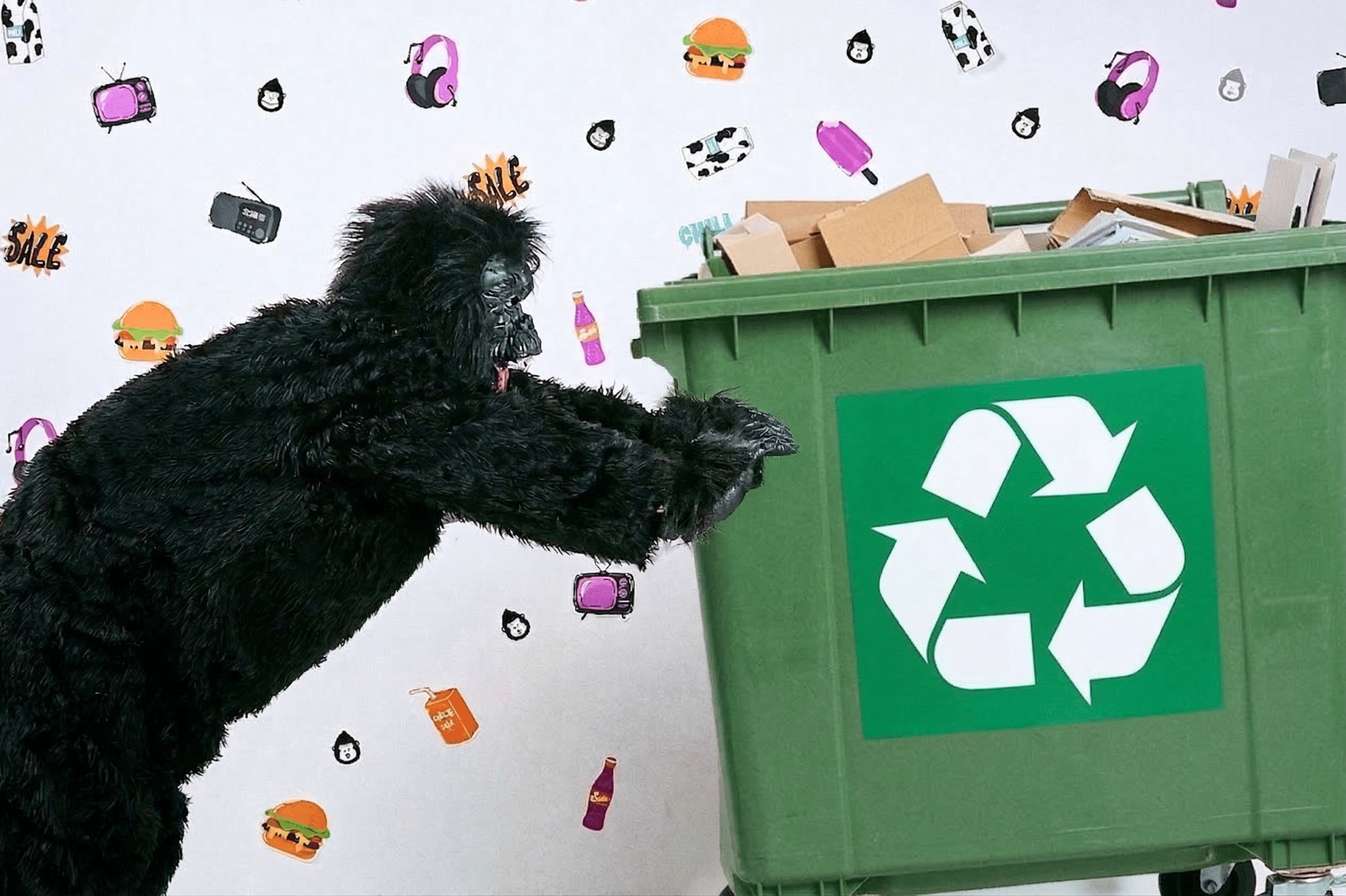
The retail industry faces a significant environmental challenge due to the sheer volume of promotional materials used and discarded during frequent campaigns. Each seasonal sale, product launch, or special offer typically requires new signage, posters, shelf-talkers, and floor graphics—often used for just days or weeks before being replaced. This rapid turnover creates mountains of single-use waste that contributes to environmental degradation and landfill accumulation.
Beyond the environmental impact, this constant cycle of printing, installing, and disposing of campaign materials creates substantial financial inefficiencies. The costs include not just the materials themselves, but also labour for installation and removal, waste disposal fees, and potential damage to store surfaces from conventional adhesives.
For large retail chains with hundreds of locations, these challenges multiply exponentially. The waste generated across a network of stores can be staggering, making it increasingly difficult for retailers to meet corporate sustainability goals while maintaining an aggressive promotional calendar.
What are the most common sources of waste in retail promotional campaigns?
The primary sources of waste in retail campaigns stem from both material choices and operational practices. Single-use POS materials represent the most obvious waste stream, with vinyl banners, paper posters, and traditional signage typically designed for one-time use before being discarded. These materials often cannot be recycled due to their composition or contamination with adhesives.
Adhesive residue creates another significant problem. When conventional sticky materials are removed, they frequently leave behind stubborn residues that require chemical cleaners to remove—adding more waste and potential environmental harm. The surfaces themselves may become damaged during removal, necessitating repairs or replacements that generate additional waste.
Other common waste sources include:
- Oversized packaging for shipping promotional materials to stores
- Excess materials ordered as contingency that never get used
- Improper disposal of materials that could potentially be recycled
- Energy waste from inefficient production methods
- Chemical waste from inks and adhesives that may contain harmful substances
These waste streams create a cumulative environmental burden that contradicts many retailers’ sustainability commitments while simultaneously draining financial resources.
How can retailers select more sustainable materials for their campaigns?
Selecting sustainable materials begins with prioritising reusable solutions over single-use options. Retailers should seek innovative display solutions like static-cling and grip-based materials that adhere to surfaces without glue, enabling multiple applications without losing effectiveness. These materials can be applied and removed cleanly without damaging surfaces or leaving residues that require additional cleaning.
When evaluating materials, you should consider:
- Durability and reusability potential (how many times can it be used?)
- Installation and removal simplicity (does it require special tools or chemicals?)
- Surface compatibility (works on multiple surface types without damage)
- Recyclability at end-of-life (can it enter existing recycling streams?)
- Production methods (water-based inks versus solvent-based options)
For shorter campaigns where reuse isn’t possible, selecting materials made from recycled content or those certified as biodegradable provides a more responsible alternative to conventional options.
How do reusable display materials impact a retailer’s bottom line?
While sustainable materials may sometimes have a higher initial purchase cost, they deliver significant financial advantages over traditional single-use options when assessed across their full lifecycle. The return on investment becomes apparent through several key mechanisms:
First, labour costs decrease substantially when using reusable materials. The time spent removing old materials, cleaning surfaces, and installing new ones is dramatically reduced when using non-adhesive solutions that can be quickly applied and removed without leaving residue.
Waste management expenses also decline as fewer materials enter the waste stream. For large retail chains, reduced skip collections and waste disposal fees can represent substantial savings across hundreds of locations.
| Cost Category | Traditional Materials | Reusable Materials |
|---|---|---|
| Initial Purchase | Lower per unit | Higher per unit |
| Installation Labour | Higher (more time-consuming) | Lower (quick application) |
| Removal Labour | Higher (residue cleaning) | Lower (clean removal) |
| Surface Damage | Common (repair costs) | Rare (minimal repairs) |
| Waste Disposal | Higher volume | Lower volume |
| Long-term Cost | Higher cumulative expense | Lower cumulative expense |
Beyond direct financial benefits, sustainable display practices enhance brand perception among increasingly eco-conscious consumers. This alignment with customer values can drive loyalty and preference, ultimately supporting sales growth and market position.
Learn more about STAFIX lineup of reusable and eco-friendly products
Ready to experience the power of Stafix products? Order free samples here!