
Magnetic printing materials have revolutionized how businesses create temporary signage and promotional displays. These specialized substrates combine the convenience of traditional printing with the flexibility of magnetic attachment, eliminating the need for adhesives, mounting hardware, or permanent installation. Whether you’re looking to create removable vehicle graphics, retail displays, or temporary signage, understanding how magnetic printing materials work can help you make informed decisions for your next project.
What is magnetic printing material and how is it made?
Magnetic printing material is a flexible substrate that combines a printable surface layer with a magnetic backing, allowing printed graphics to adhere to ferrous metal surfaces without adhesives. The material typically consists of a white vinyl or paper face stock laminated to a flexible magnetic sheet made from ferrite powder mixed with rubber or plastic binders.
The manufacturing process begins with creating the magnetic base layer. Ferrite powder, which contains iron oxide, is mixed with rubber compounds or flexible plastics to form a pliable magnetic sheet. This base layer is then calendered to achieve uniform thickness and magnetic strength. The printable face stock, usually white vinyl or coated paper, is then laminated to the magnetic backing using pressure-sensitive adhesives designed to maintain flexibility while ensuring permanent bonding between the layers.
Quality magnetic substrates undergo testing for magnetic strength, printability, and durability. The magnetic field strength is carefully calibrated to provide sufficient holding power while allowing easy repositioning. The face stock receives special coatings to optimize ink adhesion and color reproduction across various printing technologies.
How does magnetic printing material stick to surfaces?
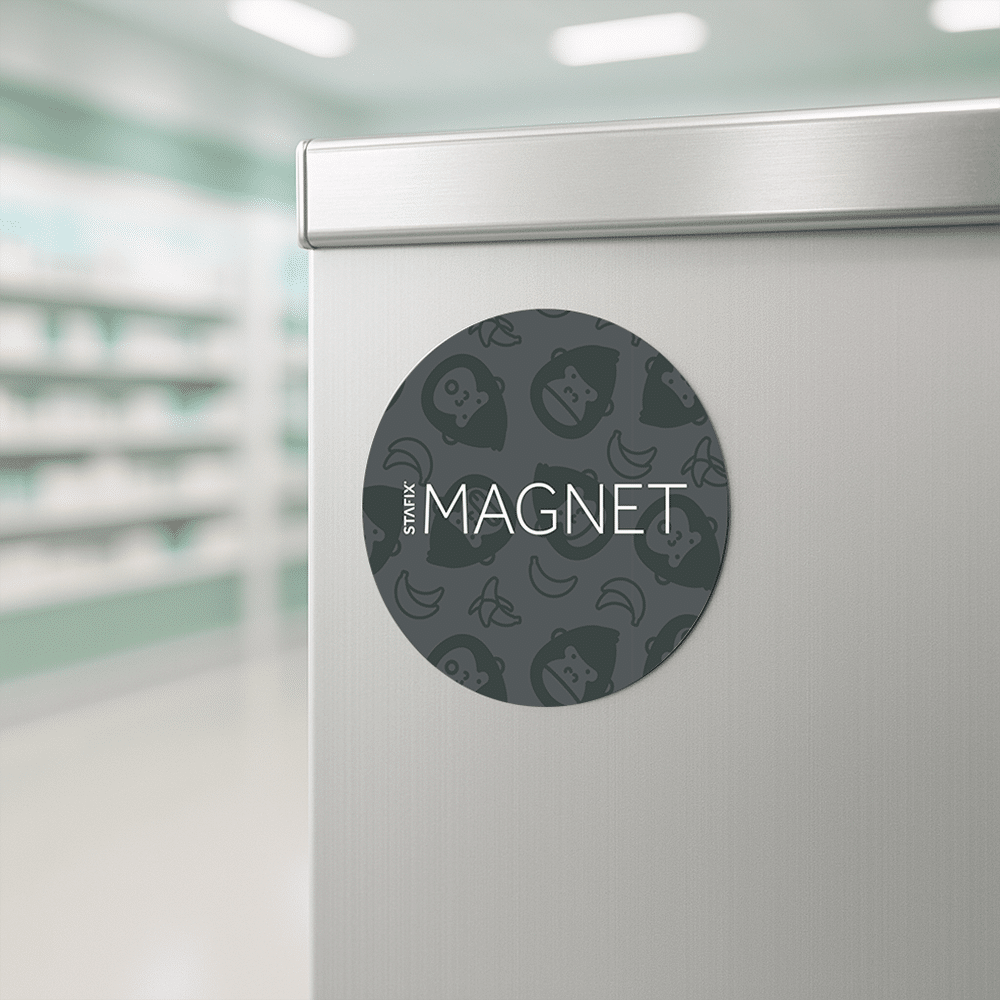
Magnetic printing material adheres to surfaces through magnetic attraction between the ferrite particles in the substrate and ferrous metals like iron and steel. The flexible magnetic backing creates multiple contact points across the surface, distributing the magnetic force evenly to ensure secure attachment without permanent bonding.
The magnetic field generated by the substrate is relatively weak compared to permanent magnets, which allows for easy repositioning while still providing adequate holding strength. When placed against a ferrous surface, the magnetic domains in the substrate align with the metal’s magnetic properties, creating an attractive force that holds the material in place.
Surface cleanliness and smoothness significantly impact adhesion strength. Clean, smooth metal surfaces provide optimal contact, while painted, textured, or dirty surfaces may reduce holding power. The magnetic attraction works best on surfaces at least 0.7mm thick, as thinner metals may not provide sufficient magnetic mass for strong attraction.
Temperature also affects magnetic performance. Extreme cold can increase magnetic strength slightly, while high temperatures may reduce it. Most magnetic printing materials maintain consistent performance in normal indoor and outdoor temperature ranges.
What can you print on magnetic material?
Magnetic materials accept most common printing technologies, including digital inkjet, laser printing, offset lithography, and screen printing. The key is matching the substrate specifications with your chosen printing method to ensure optimal ink adhesion and color reproduction.
Digital inkjet printing works exceptionally well with magnetic substrates, particularly those with specially coated face stocks designed for aqueous or solvent-based inks. UV-curable inks also perform well on magnetic materials, offering enhanced durability and scratch resistance for outdoor applications.
Laser printing is suitable for magnetic paper substrates in office environments, though heat sensitivity requires careful temperature control during the printing process. Toner-based systems generally produce excellent results on properly formulated magnetic papers.
Screen printing allows for vibrant colors and special effects on magnetic vinyl substrates. This method works particularly well for simple graphics, text, and spot color applications where durability is paramount.
When printing on magnetic materials, consider ink compatibility, curing requirements, and post-printing handling. Some inks may require specific curing times or temperatures, while others offer immediate handling capabilities. Always test print compatibility before committing to large production runs.
Order free samples of Stafix MAGNET here.
What are the main uses for magnetic printing material?
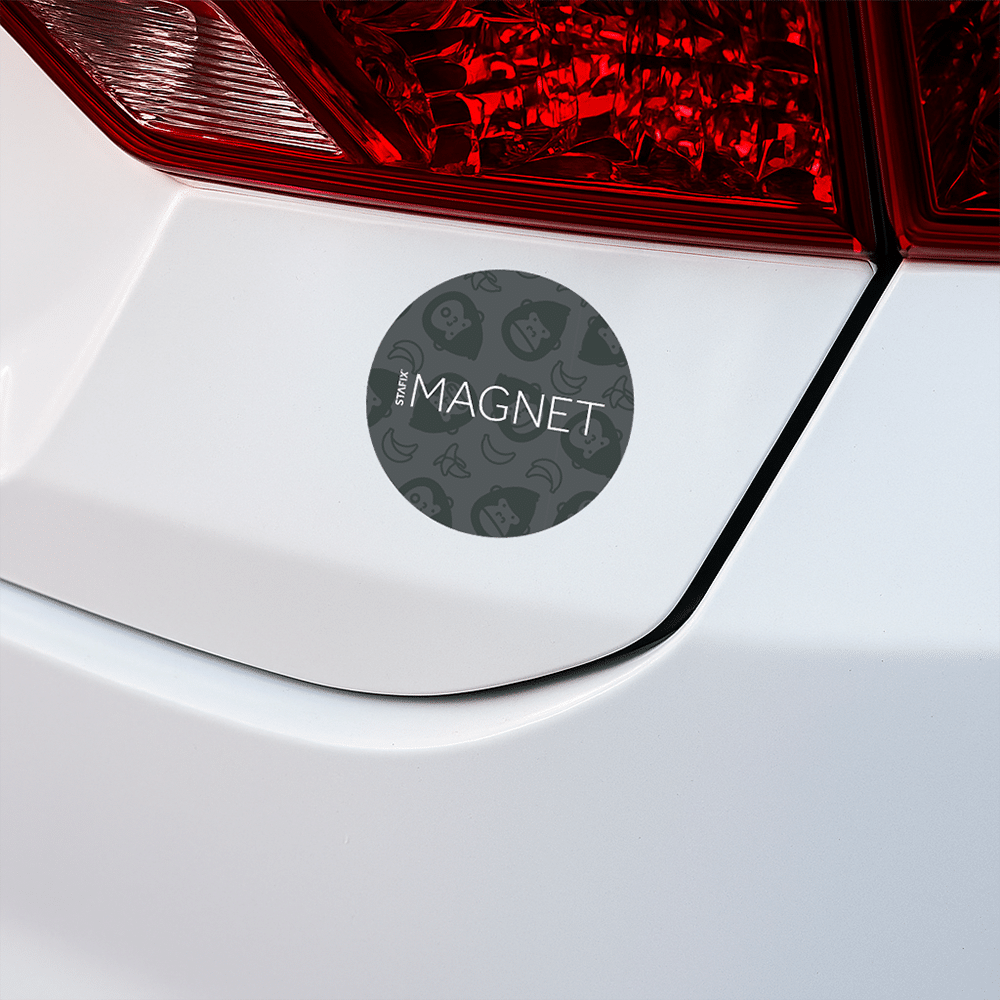
Magnetic printing materials serve diverse applications across automotive, retail, promotional, and industrial sectors. Primary uses include removable vehicle graphics, point-of-sale displays, temporary signage, educational materials, and industrial labeling systems.
Vehicle applications represent the largest market segment for magnetic materials. Car dealerships, service companies, and delivery businesses use magnetic signs for temporary branding that can be easily removed when vehicles are used for personal purposes. Real estate agents frequently use magnetic signs for property marketing that can be quickly repositioned between locations.
Retail environments benefit from magnetic displays that can be easily updated without damaging surfaces or requiring tools. Magnetic materials work well for promotional pricing, seasonal campaigns, and product information that changes frequently. The ability to reposition graphics quickly makes magnetic substrates ideal for dynamic retail environments.
Educational and training applications include magnetic charts, teaching aids, and interactive displays that can be easily reconfigured. Industrial uses encompass temporary labeling, safety notices, and process indicators that need frequent updating without permanent installation.
Trade shows and events utilize magnetic materials for booth graphics, directional signage, and promotional displays that must be quickly installed and removed without damaging rental equipment or facilities.
How long does magnetic printing material last?
Magnetic printing material typically lasts 1-3 years outdoors and significantly longer indoors, depending on environmental conditions, substrate quality, and printing technology used. UV exposure, temperature fluctuations, and moisture are the primary factors affecting longevity.
Outdoor durability varies based on geographic location and exposure conditions. In moderate climates with limited UV exposure, quality magnetic materials can maintain appearance and magnetic strength for 2-3 years. Harsh environments with intense sunlight, extreme temperatures, or high moisture may reduce lifespan to 1-2 years.
Indoor applications typically see much longer service life, often exceeding 5 years when properly maintained. Climate-controlled environments protect magnetic materials from the primary degradation factors, allowing both the magnetic properties and print quality to remain stable over extended periods.
The printing technology and ink system significantly impact durability. UV-curable inks generally provide superior fade resistance compared to aqueous inks, while properly cured screen printing inks often deliver the longest outdoor life. Lamination can extend the life of digitally printed magnetic materials by providing additional UV protection and abrasion resistance.
Magnetic strength typically remains stable throughout the material’s useful life, though extreme temperature cycling may cause a gradual reduction in holding power. Proper storage and handling help maintain both magnetic properties and print quality over time.
Looking for a fun, mess-free way to make your message cling to metal? We at Stafix offer innovative solutions that turn any smooth iron or steel surface into a beautiful display space. Our MAGNET material simply applies and holds tight with no glue, no bubbles, and no stress. When it’s time for a change, simply lift it off and reuse it, making it perfect for dynamic marketing campaigns and temporary displays.