
Picture this: a shopper walks into their local supermarket, and within seconds, a vibrant display catches their eye, showcasing the latest seasonal flavours from their favourite brand. By next week, that same display has been effortlessly repositioned to highlight a different product line, maximising visibility during peak shopping hours. This scenario illustrates why food brands are increasingly turning to repositionable displays as their secret weapon for dynamic marketing.
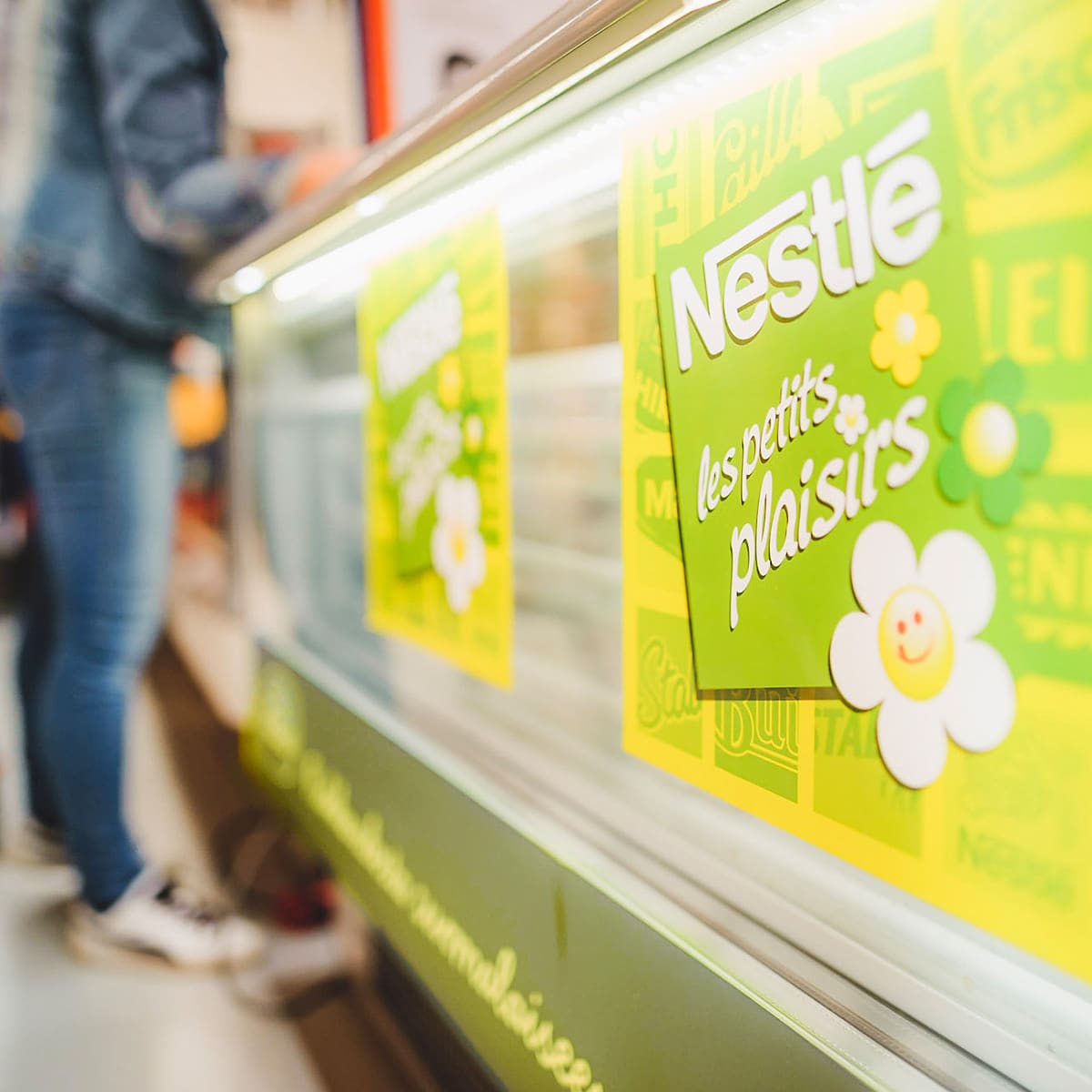
In today’s fast-paced retail environment, static displays simply can’t keep up with the demands of modern food marketing. Consumer preferences shift rapidly, seasonal campaigns require frequent updates, and prime retail space comes at a premium. Repositionable displays offer food brands the flexibility to adapt their marketing strategies in real time, ensuring their products remain visible and relevant throughout changing retail cycles.
This comprehensive guide explores why repositionable displays have become essential tools for food brands seeking to maximise their retail impact. You’ll discover how the evolving retail landscape demands flexible solutions, understand the strategic advantages these displays offer, and learn practical considerations for implementing them successfully in your marketing campaigns.
The evolving retail landscape for food brands
The modern retail environment presents unprecedented challenges for food brands competing for consumer attention. Traditional marketing approaches that relied on permanent fixtures and static positioning solutions have given way to dynamic strategies that prioritise adaptability and responsiveness. Retailers now demand marketing solutions that can evolve with their changing needs, seasonal promotions, and space-optimisation requirements.
Consumer behaviour has fundamentally shifted towards seeking variety and novelty in their shopping experiences. Food brands must respond by creating marketing displays that can showcase different products, highlight seasonal offerings, and adapt to promotional calendars without requiring complete overhauls. This evolution has made repositionable displays not just advantageous, but essential for maintaining competitive positioning.
The rise of omnichannel marketing has further complicated the retail landscape. Food brands must ensure their physical displays complement digital campaigns, social media promotions, and seasonal marketing initiatives. Flexible display solutions enable brands to maintain consistency across all touchpoints whilst adapting to the unique requirements of different retail environments and promotional periods.
“The ability to quickly adapt marketing displays to match changing consumer trends and promotional calendars has become a critical competitive advantage in today’s retail environment.”
Retailers themselves have embraced this flexibility, recognising that repositionable displays allow them to optimise their floor space more effectively. Rather than committing to static arrangements, they can work with food brands to create dynamic environments that respond to foot-traffic patterns, seasonal changes, and promotional opportunities throughout the year.
What makes repositionable displays essential for food marketing
The unique characteristics of food marketing create specific challenges that repositionable displays address exceptionally well. Food products often have seasonal variations, limited-time offers, and promotional cycles that require frequent marketing updates. Traditional fixed displays struggle to accommodate these dynamic requirements, leading to missed opportunities and reduced marketing effectiveness.
Advertising for food products must capture attention quickly and convey appetite appeal effectively. Repositionable displays excel in this area by allowing brands to optimise positioning based on traffic patterns, lighting conditions, and surrounding products. A display that performs well in one location during morning hours might achieve better results when repositioned for afternoon shoppers or moved to capitalise on complementary product placement.
The cost-effectiveness of repositionable displays becomes particularly apparent when considering the lifecycle of food marketing campaigns. Rather than investing in new display materials for each promotional period, brands can adapt existing displays to accommodate new messaging, product configurations, and seasonal themes. This approach significantly reduces marketing waste whilst maintaining fresh, engaging presentations.
| Display Type | Flexibility Level | Best Application | Key Advantage |
|---|---|---|---|
| Fixed displays | Low | Permanent brand presence | Stability and consistency |
| Repositionable displays | High | Dynamic campaigns | Adaptability and cost-efficiency |
| Modular systems | Medium | Semi-permanent setups | Customisation within constraints |
Food brands also benefit from the ability to test and optimise display performance through repositioning. By systematically moving displays to different locations and configurations, brands can gather valuable data about consumer response patterns, optimal positioning strategies, and seasonal preferences. This data-driven approach to display optimisation leads to more effective marketing investments and improved returns on promotional spending.
Strategic considerations for repositionable display implementation
Successful implementation of repositionable displays requires careful planning and strategic thinking beyond simply choosing flexible materials. Food brands must consider factors such as brand consistency, retailer requirements, and operational logistics when developing their repositionable display strategies. The most effective approaches balance flexibility with maintaining strong brand recognition across different configurations and locations.
Retailer relationships play a crucial role in repositionable display success. Brands must work closely with retail partners to understand space constraints, traffic patterns, and operational procedures that affect display positioning. Some retailers prefer displays that can be easily moved by their own staff, whilst others may require brand representatives to handle repositioning. Understanding these preferences early in the planning process ensures smoother implementation and better long-term relationships.
The design phase requires particular attention to modular construction and durable materials that can withstand frequent handling and repositioning. Food safety considerations also become more complex with repositionable displays, as materials must maintain hygiene standards across different environments and configurations. Brands must select materials and construction methods that preserve product integrity whilst enabling the flexibility that makes repositionable displays valuable.
Operational logistics deserve careful consideration when implementing repositionable display programmes. Brands need clear protocols for when and how displays should be repositioned, who bears responsibility for movement and setup, and how to maintain brand standards across different configurations. Many food brands develop comprehensive implementation guides that address these operational considerations whilst maximising the strategic benefits of flexible display solutions.
“The most successful repositionable display programmes combine strategic flexibility with operational simplicity, ensuring that the benefits of adaptability don’t come at the cost of execution complexity.”
How flexible display solutions drive marketing success
The measurable impact of repositionable displays on food marketing success extends far beyond simple visibility improvements. Brands that embrace flexible display strategies often discover an enhanced ability to respond to market opportunities, seasonal trends, and competitive pressures. This responsiveness translates into more effective promotional campaigns and stronger relationships with retail partners who value adaptable marketing solutions.
Data collection and performance optimisation become significantly more sophisticated with repositionable displays. Brands can systematically test different positions, configurations, and timing strategies to identify optimal approaches for specific products, seasons, and retail environments. This empirical approach to display optimisation generates insights that inform broader marketing strategies and improve overall campaign effectiveness.
The sustainability benefits of repositionable displays align increasingly well with corporate responsibility initiatives and consumer expectations. By extending the useful life of display materials and reducing waste associated with single-use marketing fixtures, food brands can demonstrate environmental consciousness whilst achieving superior marketing flexibility. This dual benefit resonates particularly well with environmentally conscious consumers and retailers.
Long-term strategic advantages emerge as brands develop expertise in flexible display management. Companies that master repositionable display strategies often find themselves better positioned to enter new markets, launch product extensions, and respond to competitive challenges. The operational capabilities developed through flexible display programmes frequently translate into broader organisational agility and marketing effectiveness.
Advertising for food products continues to evolve towards more dynamic, responsive approaches that prioritise consumer engagement over static presence. Repositionable displays represent a natural evolution in this direction, offering food brands the tools needed to maintain relevance in an increasingly competitive and fast-moving marketplace. The brands that embrace this flexibility today position themselves advantageously for future marketing challenges and opportunities.
Learn more about Stafix product range and order our free samples here.