
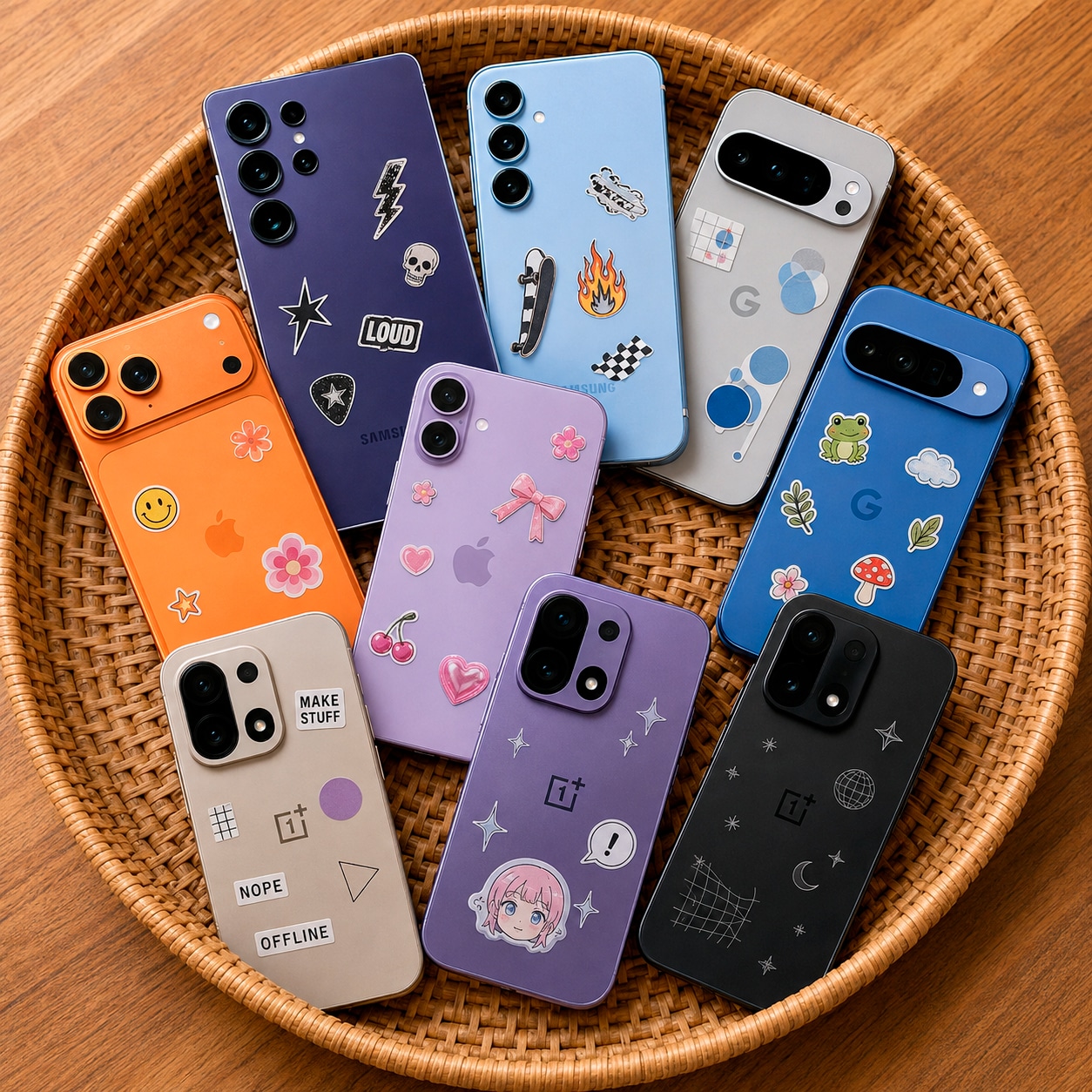
Harmful PVC hides in a surprisingly wide range of everyday household items, from flooring and shower curtains to food packaging, children’s toys, and adhesive stickers. It is one of the most widely produced plastics in the world, which means it has found its way into products most people would never think to question. This article works through the most common questions people ask about PVC, its health risks, and how to choose safer alternatives.
Which everyday household items contain PVC?
PVC, or polyvinyl chloride, is found in flooring (vinyl tiles and planks), shower curtains, garden hoses, window frames, wallpaper, inflatable toys, rainwear, food wrap, cable insulation, and many adhesive labels and stickers. It is also common in furniture upholstery, blinds, and certain types of packaging. Essentially, if a product is described as “vinyl,” there is a strong chance it contains PVC.
The sheer range of PVC-containing products reflects how versatile and inexpensive the material is to manufacture. It can be made rigid (as in pipes and window frames) or flexible (as in shower curtains and flooring) depending on the additives mixed into it. This adaptability made it the go-to choice for manufacturers across dozens of industries for much of the twentieth century, and its presence in homes remains widespread in 2026.
Why is PVC considered harmful to human health?
PVC is considered harmful because of the chemical additives required to make it functional, the toxic compounds released during its production and disposal, and its inability to be safely recycled alongside other plastics. On its own, PVC is brittle and unstable, so manufacturers add plasticisers, stabilisers, and other chemicals that can leach out over time and enter the air, dust, and surfaces people come into contact with daily.
When PVC is incinerated or burns accidentally, it releases hydrogen chloride gas and dioxins, which are among the most toxic compounds known to science. Even during normal use, flexible PVC products can off-gas volatile organic compounds into indoor air. Children are particularly vulnerable because they spend more time on floors, put objects in their mouths, and absorb chemicals at higher rates relative to their body weight.
What are phthalates and why are they found in PVC?
Phthalates are a family of chemical plasticisers added to PVC to make it soft and flexible. Without them, PVC would be too rigid for products like flooring, shower curtains, and toys. Phthalates in PVC are a concern because they do not bond chemically to the plastic and can migrate out of the material over time, entering household dust, food, and the human body through ingestion, inhalation, and skin contact.
Several phthalates are classified as endocrine disruptors, meaning they can interfere with the body’s hormonal systems. Research has linked certain phthalates to developmental issues in children, reproductive health concerns, and other hormonal effects. Many jurisdictions, including the European Union, have restricted the use of specific phthalates in children’s toys and childcare articles, but restrictions do not cover all consumer products. This is why PVC-free products are increasingly described as both PVC-free and phthalate-free, since removing PVC typically removes the need for phthalate plasticisers entirely.
How can you identify PVC products before buying?
The most reliable way to identify PVC is to look for the recycling symbol with the number 3 inside it, or the letters “PVC” or “V” printed on the packaging or product itself. Products described as “vinyl” are almost always PVC. A strong, distinctive chemical smell, particularly in new flooring, shower curtains, or inflatable items, is another common indicator of PVC off-gassing.
When no labelling is visible, the following steps can help:
- Check product specifications on the manufacturer’s website for material declarations
- Look for certifications such as OEKO-TEX, Cradle to Cradle, or Nordic Swan Ecolabel, which prohibit or restrict PVC
- Search for the words “phthalate-free” and “PVC-free” on product listings, since responsible manufacturers increasingly highlight this
- Contact the retailer or manufacturer directly if you cannot find material information
Awareness at the point of purchase is the most effective defence, since PVC is rarely labelled as harmful and the word “vinyl” has become so normalised that many consumers do not connect it to a plastic with known environmental and health concerns.
What are the best PVC-free alternatives for common household products?
PVC-free alternatives exist for virtually every common household product that currently contains it. The best choices depend on the product category, but materials such as PEVA (polyethylene vinyl acetate), natural rubber, silicone, glass, stainless steel, and certified recycled polyester are all widely available substitutes that avoid the chemical risks associated with PVC.
- Flooring: Cork, hardwood, bamboo, or linoleum (made from linseed oil, not vinyl)
- Shower curtains: PEVA, organic cotton, or hemp fabric
- Food storage: Glass containers, stainless steel, or silicone bags
- Children’s toys: Natural rubber, wood, or toys certified as PVC- and phthalate-free
- Rainwear and bags: Recycled polyester or thermoplastic polyurethane (TPU)
- Stickers and labels: PVC-free, adhesive-free alternatives made from materials that align with standard recycling streams, such as epic laptop stickers free from PVC
The market for PVC-free alternatives has grown considerably as both consumer demand and regulatory pressure have increased. In most categories, the performance difference between PVC and its alternatives is negligible for everyday use, while the environmental and health benefits are meaningful.
Is PVC in printing and signage materials a concern?
Yes, PVC in printing and signage materials is a genuine concern, both for health and for end-of-life waste management. PVC has been widely used in graphic applications for decades, including banners, window decals, floor graphics, and adhesive labels. However, unlike many commonly recycled plastics, PVC contains chlorine and often requires specialised handling during recycling and waste processing. Even small amounts of PVC contamination can negatively affect recycling streams intended for other plastics.
As sustainability requirements continue to evolve, many brands, retailers, and print buyers are actively reducing their reliance on PVC-based materials. This shift is being driven not just by regulation but by brand commitments to more responsible sourcing and by the growing availability of high-quality PVC-free alternatives. Our Stafix PVC-free recycling guide for print materials explains how these materials are designed to align with established recycling streams.
We at Stafix have built our entire product range around this principle. Every Stafix product is PVC-free and phthalate-free, offering adhesive-free printing materials built around materials that align with established recycling streams. Our STAFIX STATIC and STAFIX GRIP materials attach to smooth surfaces without permanent adhesives, leave no residue when removed, and can be reused for up to 12 months. For brands, agencies, and printers looking to make point-of-sale and signage campaigns more sustainable, switching to PVC-free materials is one of the most straightforward steps available without compromising on print quality or visual impact.