
PVC in everyday products matters for your health because it contains and releases harmful chemical additives, including phthalates and vinyl chloride, that can disrupt hormones, damage organs, and accumulate in the body over time. These risks apply to anyone regularly in contact with PVC-based items, from children’s toys to food packaging to printed marketing materials. The questions below break down exactly how PVC affects you and what you can do about it.
How does PVC release harmful chemicals into your body?
PVC releases harmful chemicals through a process called off-gassing and through direct skin contact. Because PVC is a rigid plastic in its raw form, manufacturers add chemical softeners called plasticizers to make it flexible. These additives are not chemically bonded to the plastic, so they gradually migrate out of the material into the air, dust, food, and surfaces they touch, entering your body through breathing, ingestion, or skin absorption.
Vinyl chloride, the building block of PVC, is itself a recognized carcinogen. During manufacturing and incineration, PVC can release dioxins, a group of highly toxic compounds that persist in the environment and accumulate in human fatty tissue. Even in finished products, the plasticizers added to PVC continue leaching throughout the product’s lifespan, meaning exposure is ongoing rather than a one-time event. Warm environments, wear, and UV exposure all accelerate this chemical migration.
What health effects are linked to phthalates and PVC additives?
Phthalates, the most widely used plasticizers in PVC, are endocrine disruptors, meaning they interfere with the body’s hormone system. Research consistently links phthalate exposure to reproductive harm, developmental issues in children, reduced testosterone levels, and thyroid disruption. Other PVC additives, including lead and cadmium stabilizers used in older formulations, carry additional risks, including neurological damage and kidney toxicity.
Children are especially vulnerable because their developing systems are more sensitive to hormonal interference, and they are more likely to mouth or handle PVC-containing products. Pregnant women represent another high-risk group, as phthalate exposure during pregnancy has been associated with altered fetal development. For the general adult population, the concern is cumulative exposure across multiple product categories over years, rather than any single dramatic event.
Which everyday products commonly contain PVC?
PVC is one of the most widely produced plastics in the world, and it appears in a surprisingly broad range of everyday products. Knowing where it hides helps you make more informed choices about what you bring into your home or workplace.
- Flooring and wall coverings: Vinyl flooring, wallpaper, and shower curtains are among the most common household sources of PVC off-gassing.
- Food packaging and containers: Some cling wraps and food-grade containers still use PVC, allowing plasticizers to migrate into food, especially fatty foods stored at warm temperatures.
- Children’s products: Certain toys, school supplies, and inflatable items have historically contained high levels of phthalate-plasticized PVC.
- Clothing and accessories: Faux leather bags, raincoats, and belts are frequently made from PVC-coated fabric.
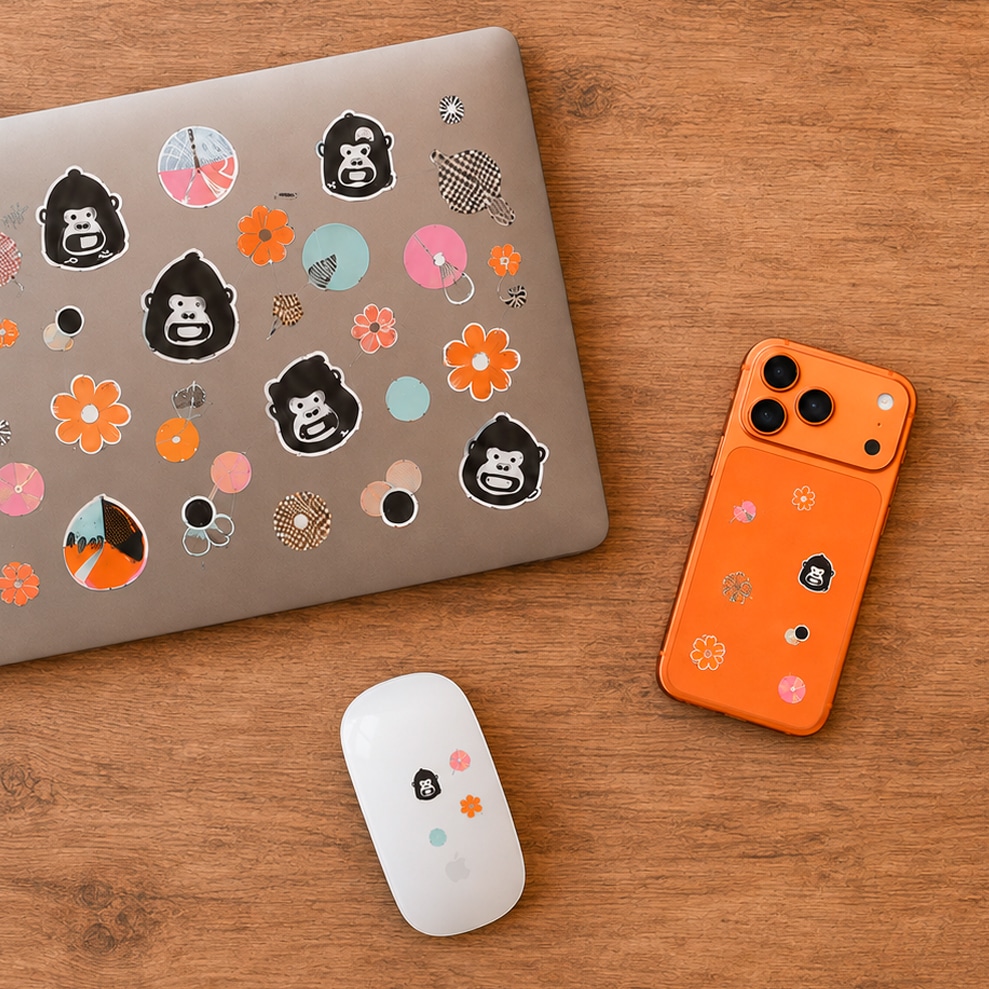
- Printed marketing materials and stickers: Self-adhesive vinyl graphics, window stickers, and point-of-sale display materials in retail environments are often PVC-based, meaning staff and shoppers experience repeated low-level exposure in commercial spaces. For a safer alternative, epic PVC-free laptop stickers demonstrate how adhesive graphics can be produced without harmful plasticizers.
- Cables and wiring insulation: Electrical cables in homes and offices commonly use PVC as insulation.
The sheer variety of PVC applications means that most people encounter it daily across multiple categories simultaneously, which is precisely why cumulative exposure is the central health concern.
Are PVC-free products actually safer?
Yes, PVC-free products are genuinely safer in most cases because removing PVC eliminates the primary source of phthalate plasticizers and the associated risks of vinyl chloride exposure. PVC-free alternatives are typically made from materials that do not require the same toxic additive cocktail to achieve flexibility, and they do not release dioxins when incinerated at end of life.
Beyond direct health benefits, PVC-free materials offer meaningful environmental advantages. PVC contains chlorine and requires specialized handling during recycling. Even small amounts of PVC contamination can disrupt recycling streams intended for other plastics, which means PVC-based products often end up in landfill or incineration. As sustainability requirements continue to evolve across retail and print industries, many brands are actively reducing their reliance on PVC-based materials for exactly these reasons.
In the world of printed graphics and point-of-sale displays, this shift is already well underway. We at Stafix have built our entire product range around PVC-free materials precisely because the case for eliminating it is both a health argument and a sustainability one. Our STAFIX STATIC and STAFIX GRIP materials contain no PVC, no phthalates, and no permanent adhesives, making them a practical alternative for brands, print houses, and agencies looking to move away from conventional vinyl graphics without compromising on performance.
How can you identify and avoid PVC in products you buy?
You can identify PVC by looking for recycling code 3 or the letters “PVC” or “V” on product labels and packaging. The number 3 inside the recycling triangle symbol specifically indicates polyvinyl chloride. Beyond labels, certain product categories carry a higher likelihood of containing PVC, so awareness of those categories is itself a practical screening tool.
Practical steps to reduce PVC exposure
- Check recycling codes: Look for the number 3 on plastic products. If you see it, the item is PVC and worth replacing with an alternative where possible.
- Prioritize PVC-free certifications: Look for products that explicitly state they are PVC-free, phthalate-free, or that carry recognized environmental certifications relevant to your region.
- Replace high-contact items first: Focus on products your children handle, food storage containers, and flooring, since these represent the highest exposure pathways.
- Ask suppliers directly: For business purchasing, especially in print and retail display, ask your supplier whether their self-adhesive materials are PVC-free. Many suppliers can now provide material safety data sheets confirming this.
What to look for in PVC-free alternatives
- Material transparency: A trustworthy PVC-free product will clearly state what it is made from, not just what it excludes.
- Adhesive-free or repositionable options: Products that do not rely on permanent adhesives avoid a secondary layer of chemical concern while also being more practical to reuse and remove cleanly.
- Compatibility with established recycling streams: A genuinely better alternative should fit into existing recycling infrastructure rather than requiring specialized disposal. The Stafix PVC-free materials recycling guide explains how responsible material choices can integrate with standard recycling processes.
Avoiding PVC does not require a complete overhaul of your purchasing habits overnight. Starting with the highest-contact, highest-exposure categories and gradually replacing them with verified PVC-free alternatives is a realistic and effective approach for both households and businesses in 2026.